Cultural perspectives on gambling how different societies view risk and reward
Historical Context of Gambling
The practice of gambling has deep historical roots, woven into the fabric of numerous cultures. Ancient civilizations, from the Egyptians to the Chinese, engaged in various forms of betting, often linking these activities to spirituality and fate. In many societies, gambling was not merely a pastime but an integral part of social rituals, where the outcome was thought to reflect divine will. In contemporary contexts, platforms like spin-mills.com offer a new twist on traditional forms of gambling.
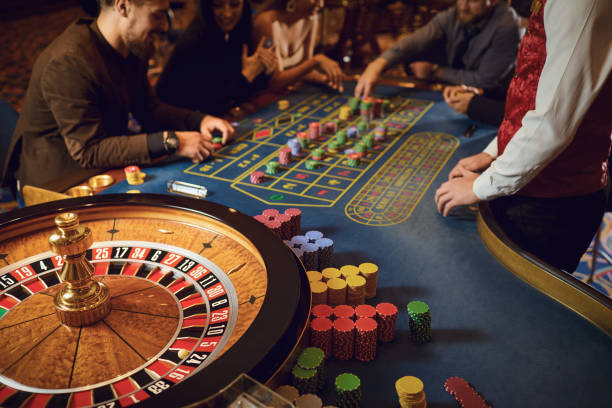
As societies evolved, so did their views on gambling. The introduction of state regulations and laws shaped its acceptance and practice. While some cultures embraced gambling as a legitimate form of entertainment, others condemned it, viewing it as a source of moral decay. This dichotomy highlights the complex relationship between cultural values and the acceptance of risk-taking behaviors.
Cultural Differences in Attitudes Toward Risk
Cultures across the globe exhibit varied attitudes towards risk-taking, significantly influencing their perspectives on gambling. In collectivist societies, for instance, the emphasis on communal values often leads to a more cautious approach to gambling. Here, the fear of shame or loss of face may deter individuals from engaging in high-risk activities.
Conversely, individualistic societies may celebrate risk-taking as a pathway to personal achievement and freedom. In these cultures, gambling is often viewed as a thrilling challenge that can lead to substantial rewards. This difference in perspective reveals how societal norms shape individual choices regarding risk and reward.
Religious Influences on Gambling
Religion plays a pivotal role in shaping cultural attitudes toward gambling. Many faiths explicitly prohibit gambling, viewing it as a vice that undermines moral integrity. For example, in certain interpretations of Christianity and Islam, gambling is considered sinful, leading to a widespread cultural aversion to the practice.
However, other cultures interpret religious teachings differently, allowing for gambling under specific circumstances. For instance, some Hindu communities may participate in gambling during festivals as a form of celebration. This nuanced relationship between religion and gambling showcases the diverse ways societies reconcile their beliefs with leisure activities.
The Impact of Modernization on Gambling Perceptions
Modernization has significantly transformed how societies view gambling. The advent of technology, particularly online gaming platforms, has made gambling more accessible than ever. This accessibility challenges traditional views, as more individuals engage with gambling in ways that were previously restricted or taboo.
Moreover, the rising popularity of gambling-related entertainment, such as poker tournaments and sports betting, has contributed to a shifting perception. In many modern societies, gambling is increasingly accepted as a legitimate form of entertainment, leading to discussions about regulation, responsible gambling, and economic implications.

About SpinMills Casino
SpinMills Casino stands at the forefront of online gaming, offering a diverse range of exhilarating games tailored to meet the preferences of players from various cultural backgrounds. Understanding the global perspectives on gambling allows us to create a platform that resonates with users, ensuring an inclusive experience.
Our commitment to responsible gaming and secure payment options emphasizes our dedication to providing a safe and enjoyable environment for all players. Join us at SpinMills Casino, where thrilling gaming experiences await, reflecting the rich tapestry of cultural perspectives on risk and reward in the world of gambling.